Canine Hydrotherapy Pool – Professional Dog Rehabilitation in Port St Mary
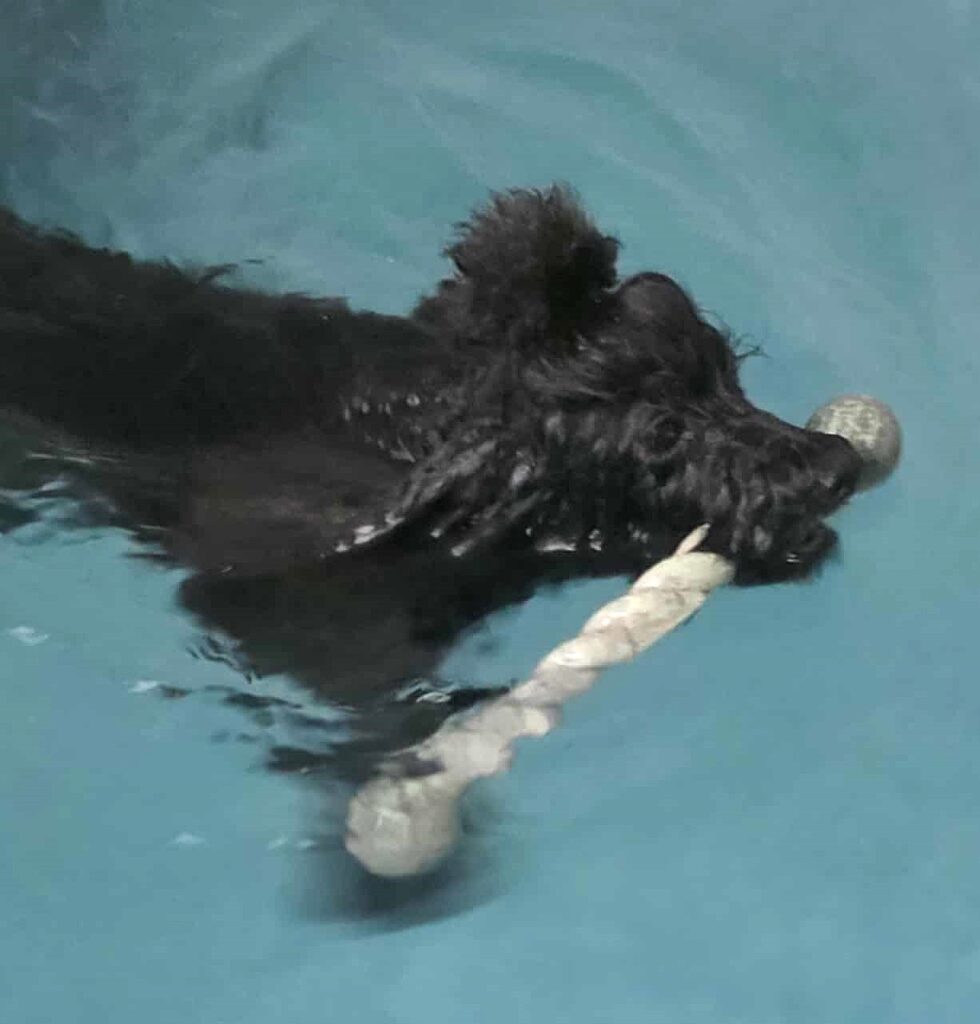
Discover the benefits of canine hydrotherapy for your dog at our dedicated dog hydrotherapy pool in Isle of Man. At Hounds Hydro Limited, we invite you to bring your dogs for a variety of reasons, whether it’s for exercise or recovery from injuries or medical conditions. Hydrotherapy is now viewed by the veterinary profession as an ideal form of non-weight-bearing exercise for dogs and our trained staff supervise all sessions. Get in touch today to book an appointment.
Hydrotherapy
Regular swimming can help dogs to increase muscle mass and maintain cardiovascular fitness without putting undue stress and pressure on joints, restoring and maintaining fitness for dogs that have had restricted exercise for various reasons. Moving freely in the water will boost circulation and reduce stiffness.
With benefits for general fitness and confidence in the water, your dog will begin to enjoy exercise again if they have become overweight. Obese dogs can suffer from numerous health problems, including:
– Stiffness
– Arthritis
– Breathing Difficulties
In conjunction with a healthy, low-calorie diet, this exercise helps overweight dogs to reduce their weight and increase cardiovascular fitness quickly and safely. This will lead to improved mobility and good health, which is especially important for middle-aged dogs whose metabolic rates have changed with age.
Recovery from Injury
Hydrotherapy is also ideal for dogs recovering from injuries. The warm, soothing effect of the water can help reduce pain, swelling, and stiffness. If your dog has been restricted from exercise for any reason, whether cage rest or old age, this is the perfect activity to reintroduce them.
When a dog has suffered multiple injuries, fractures, or neurological damage, early rehabilitation is crucial to recovery. It is vital to gently encourage dogs to move their limbs and muscles again as soon as possible to prevent permanent disability. Combined with the initial shock of the accident or injury, subsequent inactivity from surgery can cause dogs to become severely depressed.
Swimming significantly reduces pain and increases mobility, as well as helping to regain a positive attitude. Some dogs may become “bionic” with metal plates, screws, and scars, but regular activity and exercise will reveal their amazing ability to recover from injury and trauma and still enjoy life.
Dogs are gradually introduced to the water and spend time just floating in the water to help them relax after the ordeal; the warm water helps to soothe and relax their muscles. Those swimming to increase mobility will usually need to swim at least twice a week for the first month, but often a weekly swim is enough to maintain mobility gains after this.
Pre- and Post-Operative Conditioning
Many vets now use hydrotherapy before planned surgery, either to increase muscle bulk or in support of a weight loss program. It is increasingly recognised and acknowledged that it is beneficial for a dog to be as fit as possible before surgery, rather than trying to diet them when they are less mobile afterwards.
When hydrotherapy is intended to be part of the post-operative rehabilitation program, benefits are gained more quickly if the dog is already accustomed to the water. Not all dogs can swim, and many are not relaxed in the water initially, so a pre-surgery session usually helps. Furthermore, hydrotherapy is an excellent way to reduce inflammation and improve fitness and mobility.
The aim is to achieve a return to functional use as quickly and easily as possible. For some dogs, this may just involve going for a gentle walk or to relieve themselves unaided, but for others, they need to resume their former activities as soon as they are able.
Hip and Elbow Dysplasia
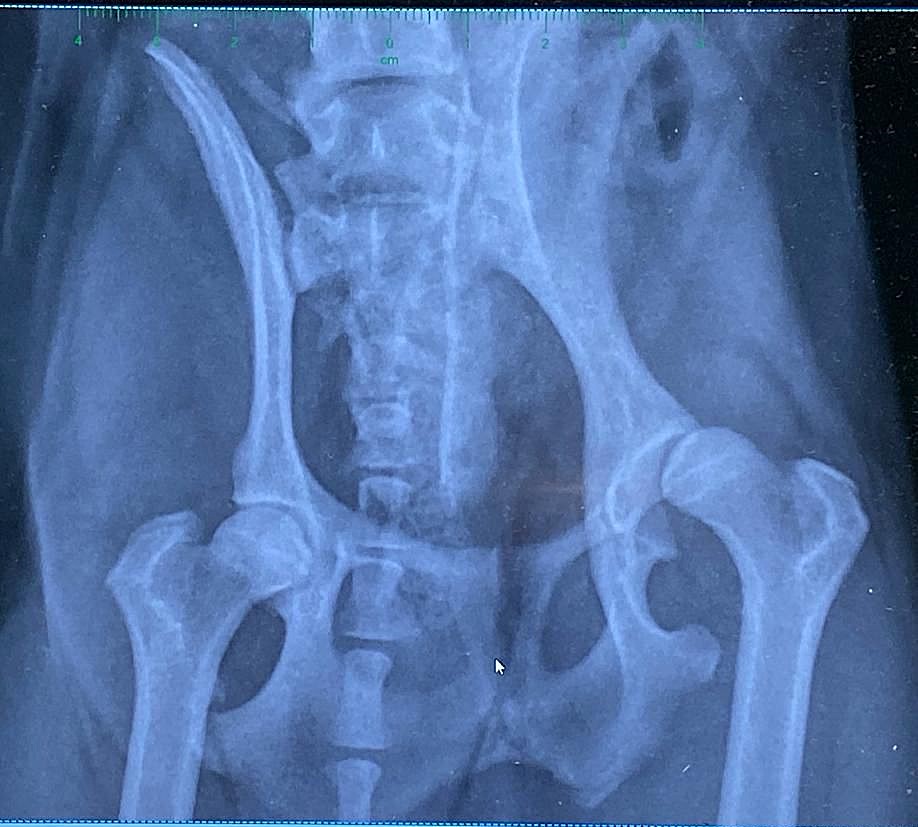
Canine hip and elbow dysplasia is a degenerative, painful condition where the hip joints have developed abnormally. The head of the thigh bone (femur) does not fit properly into the hip socket (acetabulum). These “ball and socket” joints become malformed and unstable, causing inflammation and weakness.
Depending upon the severity of the problem, hip dysplasia can lead to painful and sometimes crippling arthritis. Older dogs with mild hip dysplasia may be treated successfully with pain-relieving medication and a gentle, structured swimming program.
Canine hydrotherapy pool
Younger dogs have a much greater risk of developing debilitating arthritis. It is difficult to restrict exercise for very young dogs and swimming can allow safe fun without the risk of damage to the hips. Following a structured exercise program of lead walking and hydrotherapy can prevent dysplasia from worsening due to laxity in the supporting ligaments and muscles.
Veterinary surgeons are using hydrotherapy to keep puppies fit and well-muscled while they wait for the dogs to reach 18 months to 2 years old. This supportive approach, together with the natural tightening process that maturity brings, can sometimes remove the need for surgery.
Severe hip dysplasia is sometimes treated surgically by either total hip replacement or femoral head excision. Either way, appropriate exercise is vitally important to maintain muscle mass to help improve the stability of the hip joint, maintain endurance and cardiovascular fitness and maintain the health of the articular cartilage surrounding the joint.
It is also important to reduce the level of pain in the joints. Hydrotherapy is an excellent way to encourage joint mobility and stabilise the joint through building up muscle mass quickly and safely. Consistent, regular, gentle exercise such as swimming is the key to effective management of hip dysplasia in conjunction with regular medication and dietary supplements.
BOOK YOUR HYDRO SESSION TODAY – Our booking system can be found in the top or bottom left of this page, right next to our Facebook logo, alternatively you can send us an email, give us a call or send us a Facebook message!